





Diamond Carat: Size, Weight & Value
Carat — What It Is and Why It Matters
Carat (ct) is the international unit of measurement used to indicate the weight of a diamond or any other gemstone. It reflects the mass of the stone, not its visible size or diameter.
One carat equals 0.20 grams (200 milligrams) — a standard used worldwide.
Each carat is divided into 100 points, allowing precise measurement down to hundredths of a carat. For example:
– 0.50 ct = 50 points
– 0.25 ct = 25 points
– 1.08 ct = 1.08 carats
Why Carat Affects Price
Carat weight is directly linked to price because larger diamonds are significantly rarer in nature and more difficult to produce in the laboratory.
While all other factors — color, clarity, and cut — remain essential, weight has long been one of the main parameters determining market value.
Diamond pricing does not increase linearly with carat weight. Instead, it rises in steps, especially at so-called “magic weights” such as 1.00 ct, 1.50 ct, and 2.00 ct. These sizes are in higher demand and therefore command premium pricing.
Carat vs. Size: What Is the Difference?
It is important to understand that:
Carat refers to weight, not visible size.
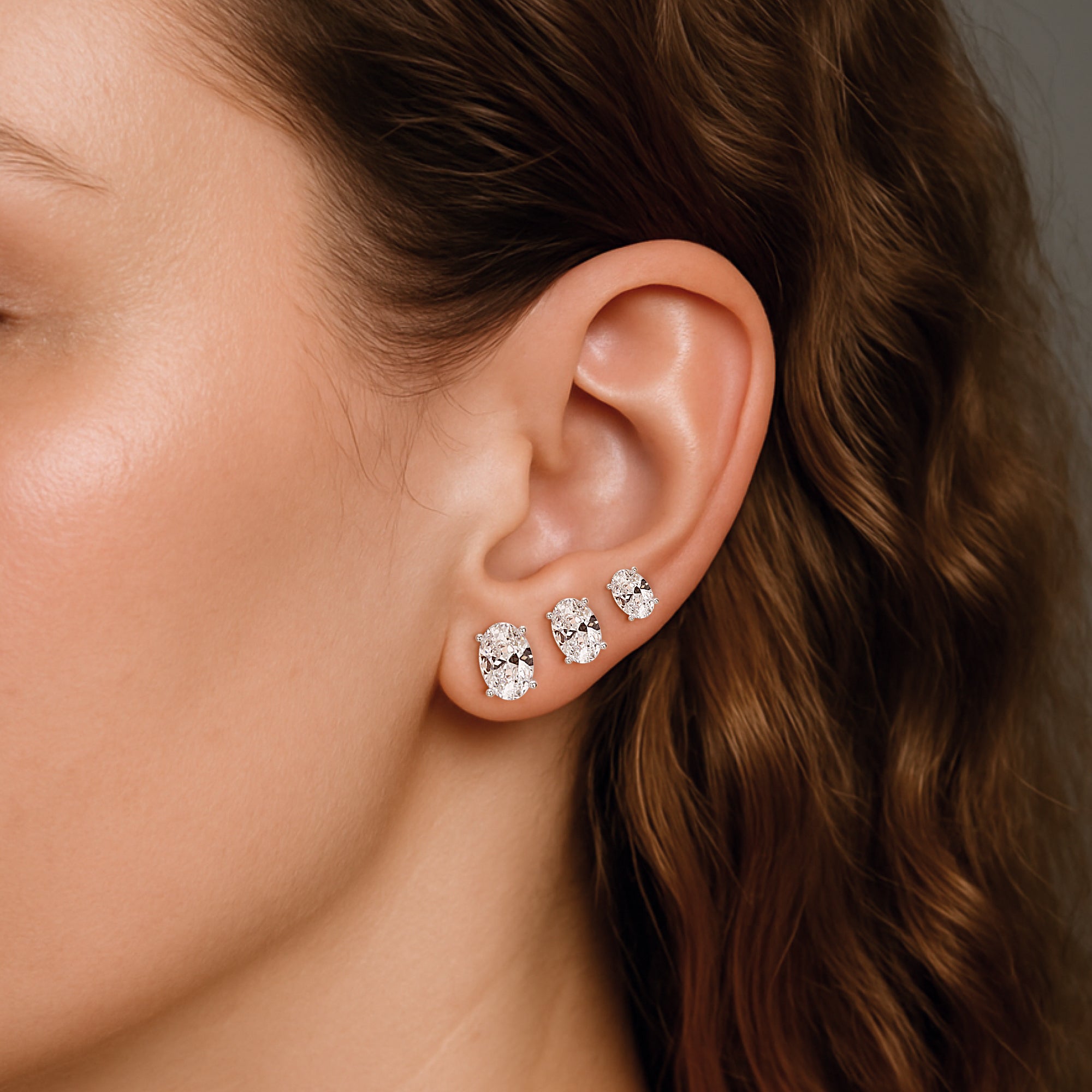
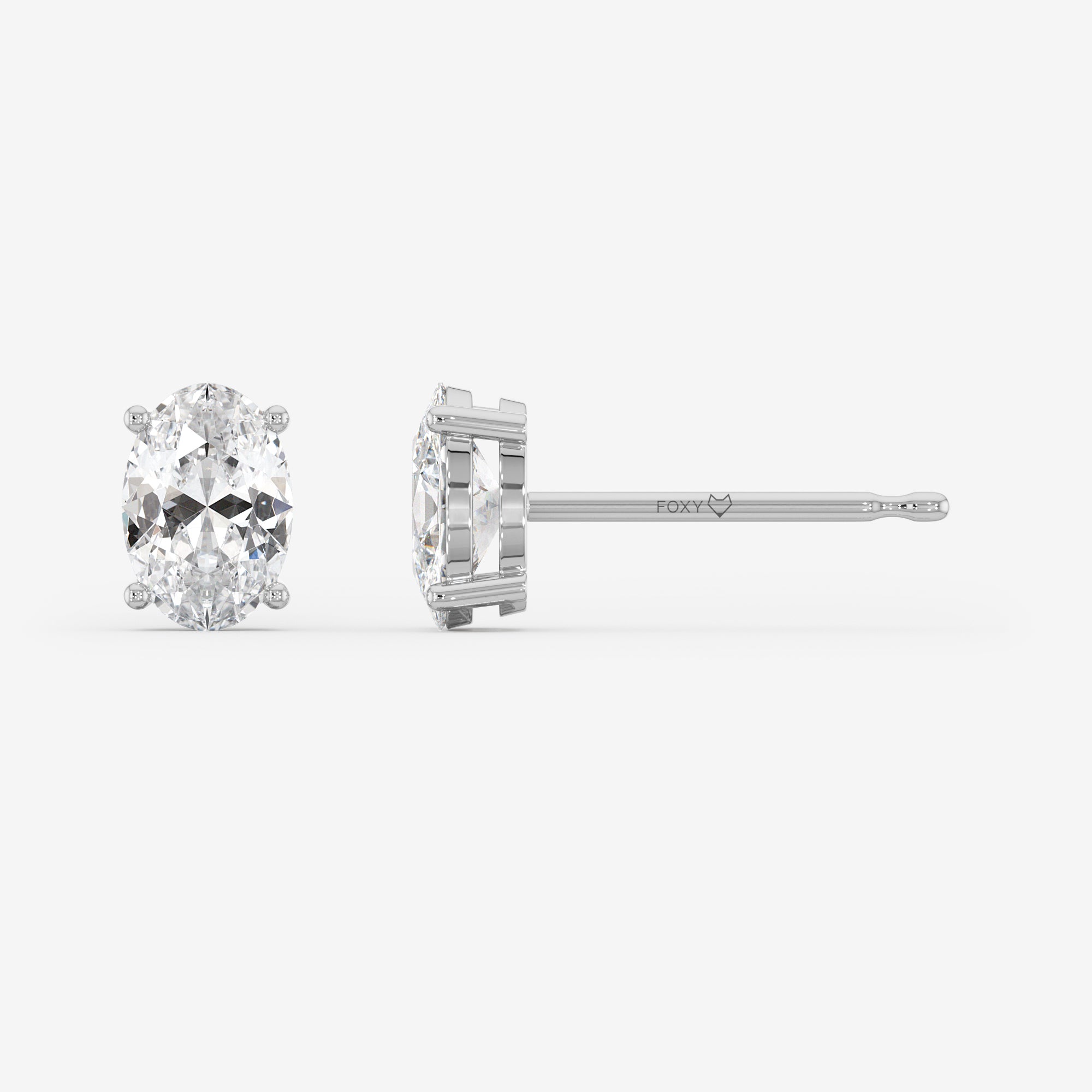
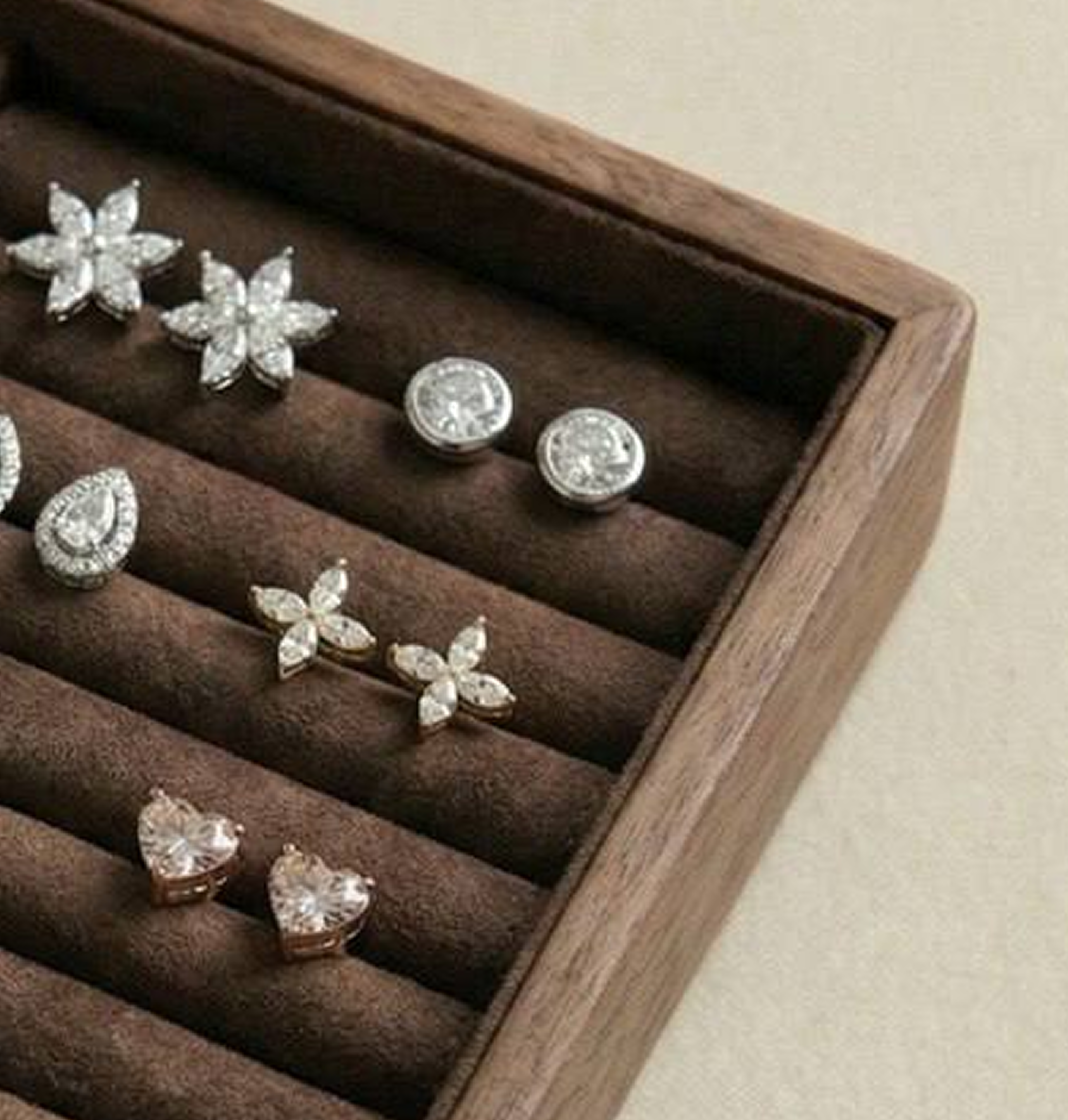
Stones with the same carat weight can appear different in size depending on their shape and cut.
For example:
A round 1.00 ct diamond may look slightly smaller or larger than another 1.00 ct stone of a different shape.
Table width, depth, and overall proportions have a direct impact on how large a diamond appears once set.
This is why it is essential to consider not only carat weight, but all four parameters of the 4C system.
How to Evaluate Carat When Choosing a Diamond
Begin with color and color intensity.
This is the key factor for fancy coloured diamonds.
Then consider clarity and cut.
They determine brilliance, transparency, and the overall visual impression.
Carat weight should be considered last — as the final element of visual balance.
Practical Notes
Diamonds slightly below a “magic weight” (for example, 0.95 ct instead of 1.00 ct) often cost noticeably less, while appearing almost identical to the eye.
Weight is important, but visual impact is always the result of a combination of factors: color, saturation, cut, clarity, and proportions.
Brilliance and perceived size depend not only on carat weight, but also on shape and the quality of the cut.
What This Means for You
Carat is a useful reference point.
However, in fancy coloured diamonds, the visual impact of color and the overall harmony of the stone are often more important than its exact carat weight.
The right choice is not simply “the bigger, the better,”
but a balance of all parameters that creates vivid brilliance, strong color, and an the emotional impression of the piece.
Read more

Clarity — What It Is and Why It Matters Clarity is one of the four key parameters used to evaluate a diamond within the 4C system. It describes how free a stone is from internal features and extern...

A certificate grade for a fancy-coloured diamond tells you a lot — but only if you know how to read it. Two stones can share the same formal grade and look completely different in person. Understan...