





Lab-Grown Diamond Education
The more you know, the more confidently you choose.
Explore our expert guides on lab-grown diamonds, the 4Cs, and fancy colour stones.

There is no objectively superior colour in fancy diamonds. There is only the one that resonates most naturally with the person who will wear it. Choosing the right colour is part technical, part pe...
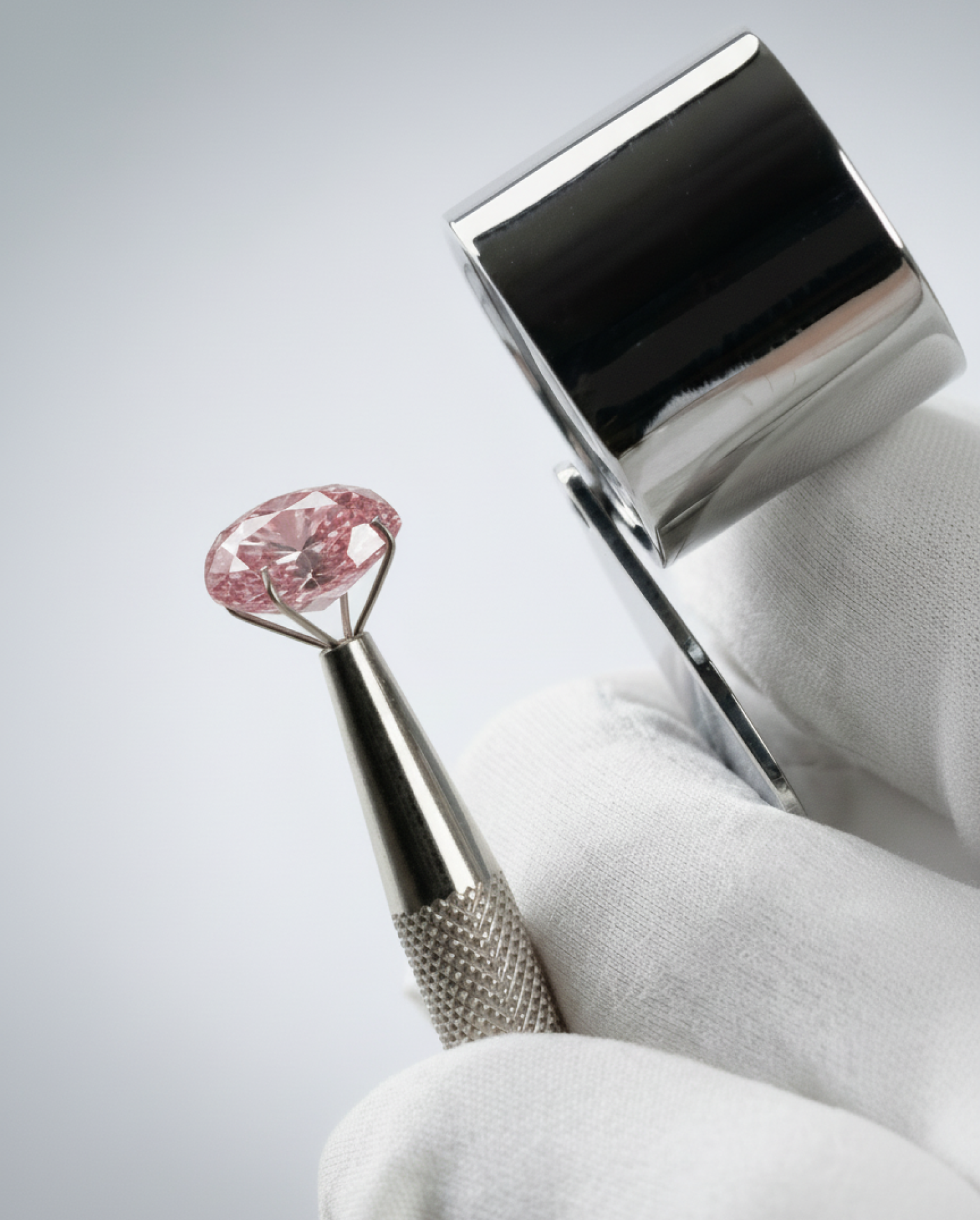
At Foxy Diamonds, a coloured stone is never chosen by specification alone. A number in a certificate is a starting point, not a conclusion. Beauty in fancy colour is defined by how tone, saturation...

Colour in a diamond is not a surface finish or a dye applied after growth. It is the visible result of physical events that happen inside the crystal at the atomic level — and once fixed, that colo...

A certificate grade for a fancy-coloured diamond tells you a lot — but only if you know how to read it. Two stones can share the same formal grade and look completely different in person. Understan...

Carat — What It Is and Why It Matters Carat (ct) is the international unit of measurement used to indicate the weight of a diamond or any other gemstone. It reflects the mass of the stone, not its ...

Clarity — What It Is and Why It Matters Clarity is one of the four key parameters used to evaluate a diamond within the 4C system. It describes how free a stone is from internal features and extern...

Diamond Color — What It Means and How It Is Graded Color is one of the key parameters that influence a diamond’s beauty and value. It is important to understand thatthe grading system for “white” d...

Cut — The Key to a Diamond’s Brilliance Cut is one of the four main parameters used to evaluate a diamond within the 4C system (Cut, Color, Clarity, Carat), established by the international GIA sta...
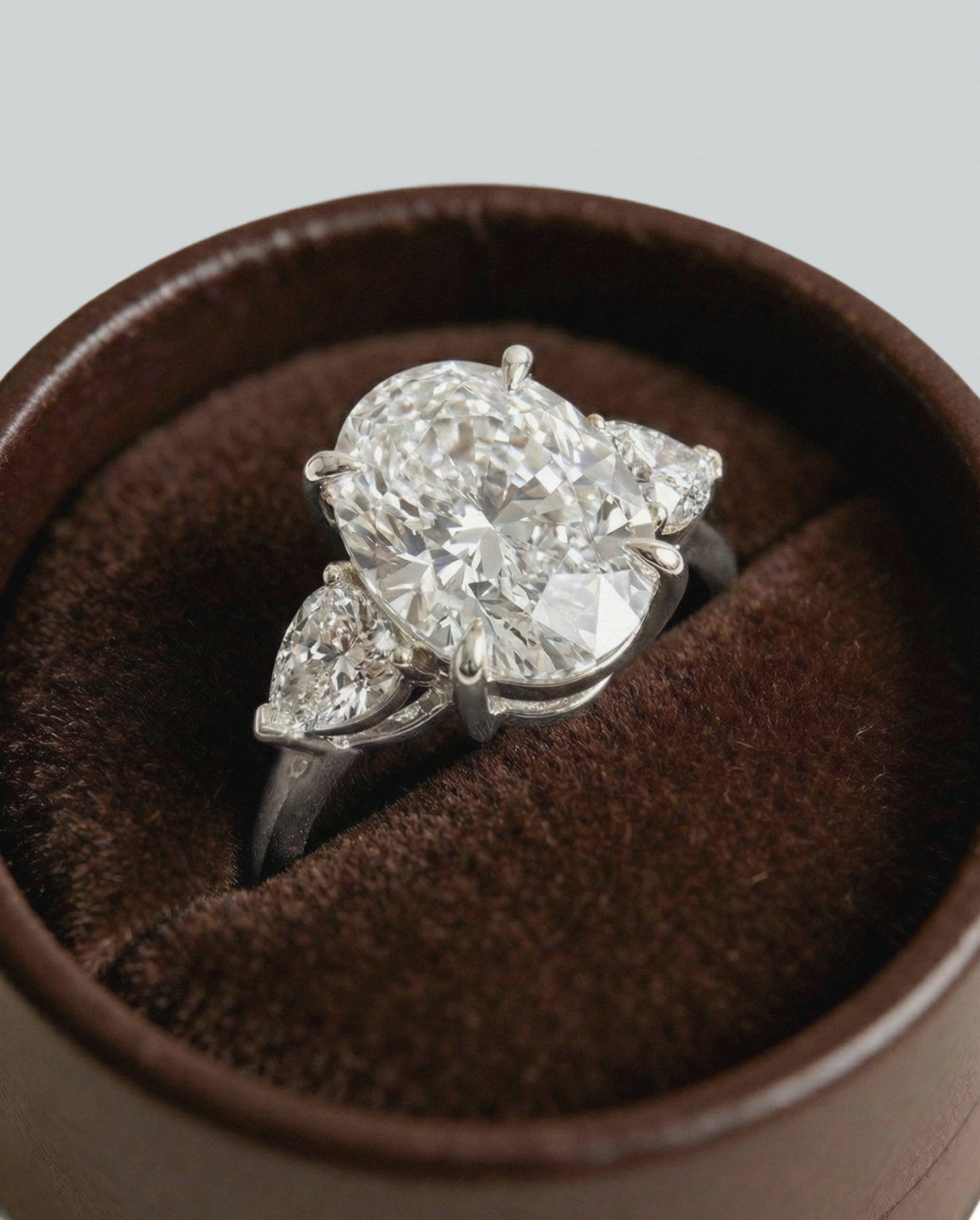
Why Lab-Grown Diamonds Are a Rational Choice In nature, saturated fancy colours are a statistical rarity and a geological lottery. In the laboratory segment, that rarity is no longer accidental. Wh...
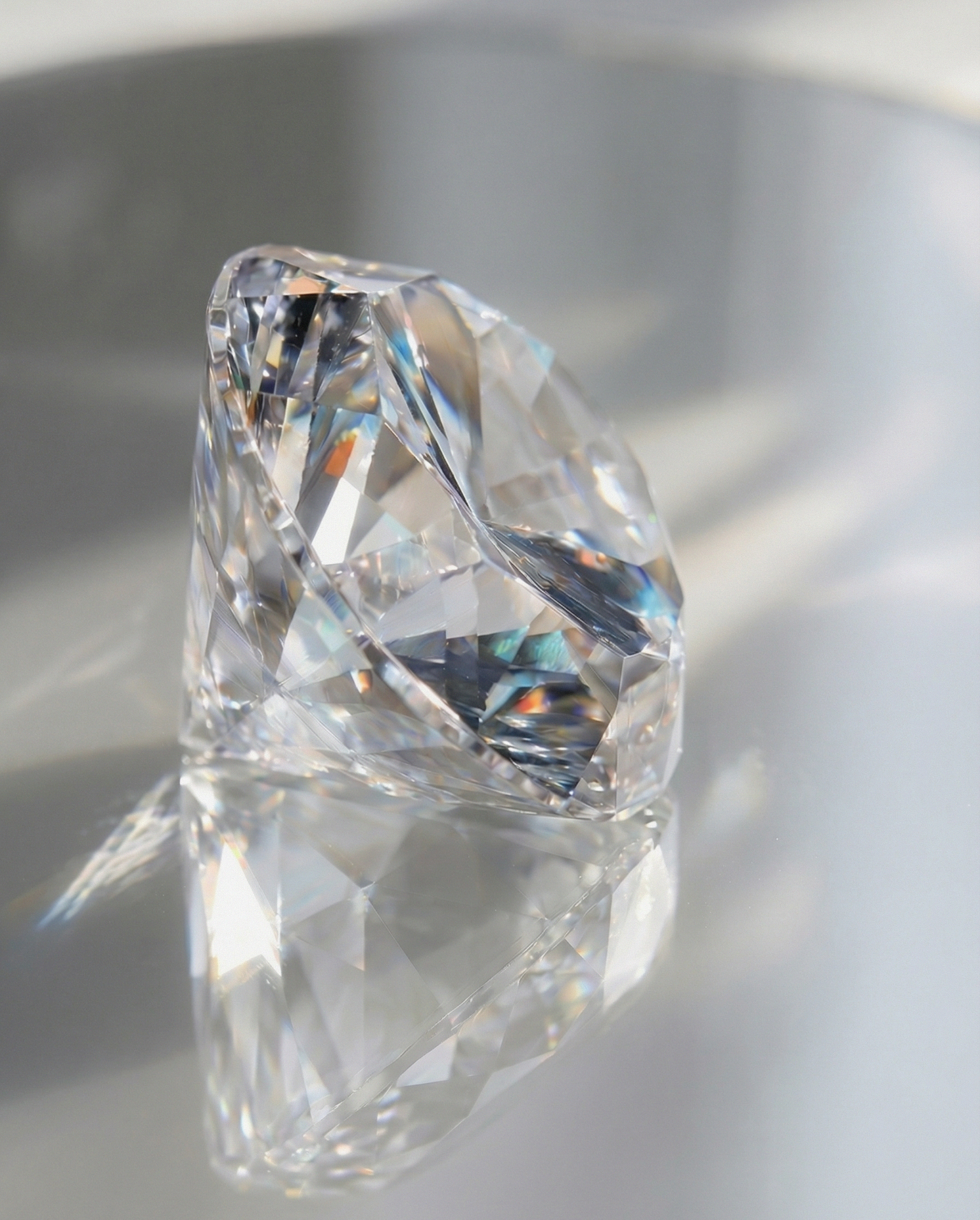
What Is a Lab-Grown Diamond? A lab-grown diamond is a diamond in the full physical sense of the word. It is the same crystal of carbon with an sp³ lattice, with the same optical, physical, and chem...