





Diamond Cut: Brilliance Explained
Cut — The Key to a Diamond’s Brilliance
Cut is one of the four main parameters used to evaluate a diamond within the 4C system (Cut, Color, Clarity, Carat), established by the international GIA standard. It is the cut that determines how a diamond interacts with light and how brightly it will shine.
It is important to understand that cut is not the same as shape.
Cut is a quality parameter that reflects the proportions, symmetry, and polish of the facets.
Shape, by contrast, refers to the geometric outline of the stone.
The Round Brilliant is considered the most sparkling cut among all diamonds.
A classic round brilliant has 57–58 facets, designed to reflect light as efficiently as possible and to produce the highest level of brilliance.
For this reason, the round brilliant is regarded as the benchmark of brightness and visual fire.
Why Cut Is So Important
Cut determines how a diamond reflects and refracts light.
It is responsible for:
-
Brilliance — the brightness of white light returned to the eye
-
Fire — the dispersion of light into spectral colors
-
Scintillation — the sparkle and flashes seen when the diamond moves
Even a diamond with excellent color and clarity can appear dull if the cut is not optimal.
A high-quality cut allows the stone to “work” with light and reveal its full visual potential.
What Is Evaluated in Cut
Specialists assess cut based on several key parameters:
Proportions — the relationship between the stone’s elements (table, crown, pavilion, and others), which determines the path of light within the diamond.
Symmetry — how precisely the facets are aligned with one another.
Polish — the quality and smoothness of the facet surfaces.
The right combination of these factors allows light to enter the stone efficiently and return to the eye, creating the effect of vivid brilliance.
How GIA Grades Cut
GIA evaluates cut quality based on proportions, symmetry, polish, and light performance.
The grading system includes assessment of brightness, fire, scintillation, and technical cutting parameters.
The main grades are:
Excellent — optimal proportions, maximum brilliance
Very Good — high level of light return and fire
Good — respectable light performance
Fair / Poor — weak light return
This system makes it possible to understand how well a diamond has been designed and finished, and how it will appear in real life.
Cut vs. Shape — An Important Distinction
Cut refers to the quality of workmanship and proportions — how the cutter shaped the facets to extract the maximum amount of light.
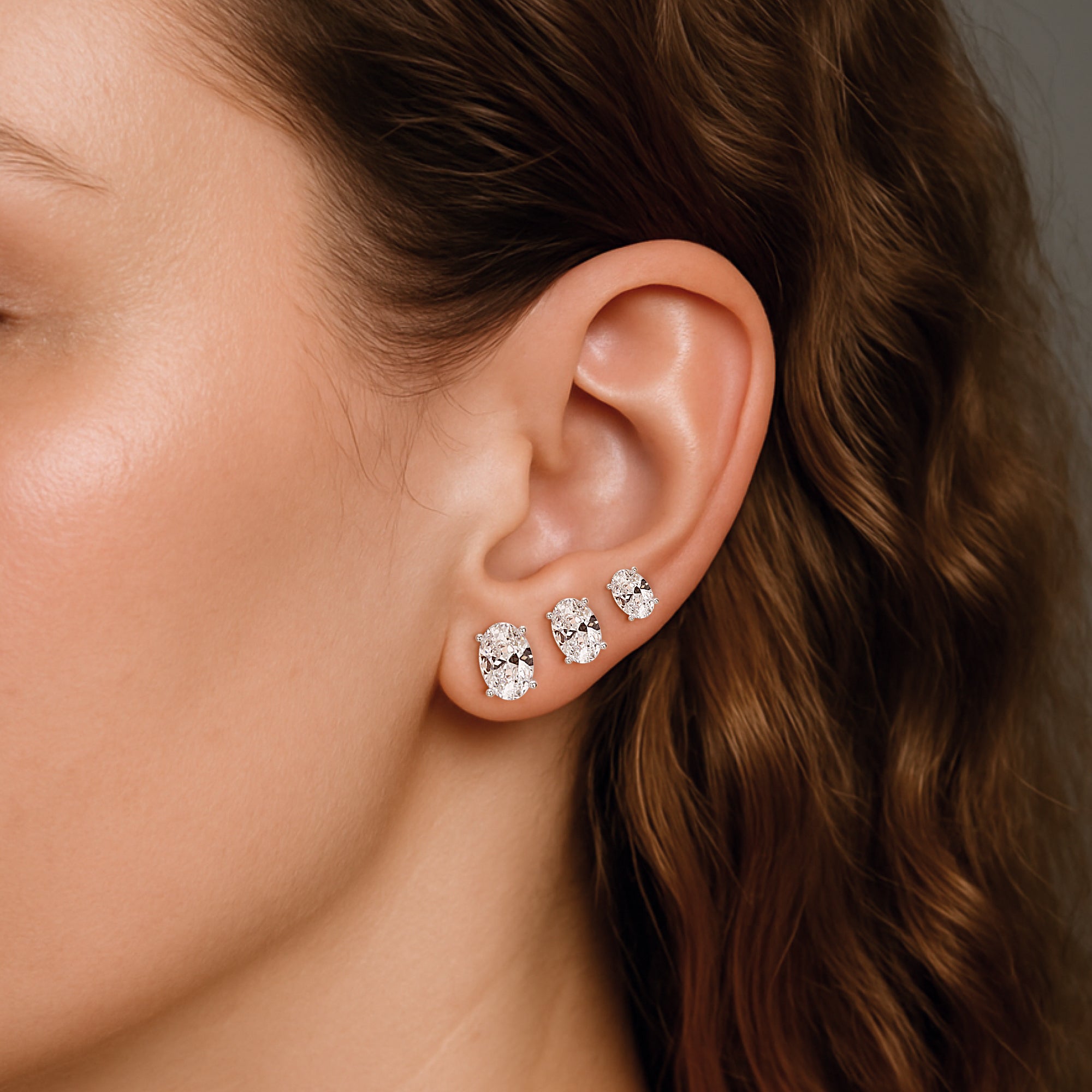
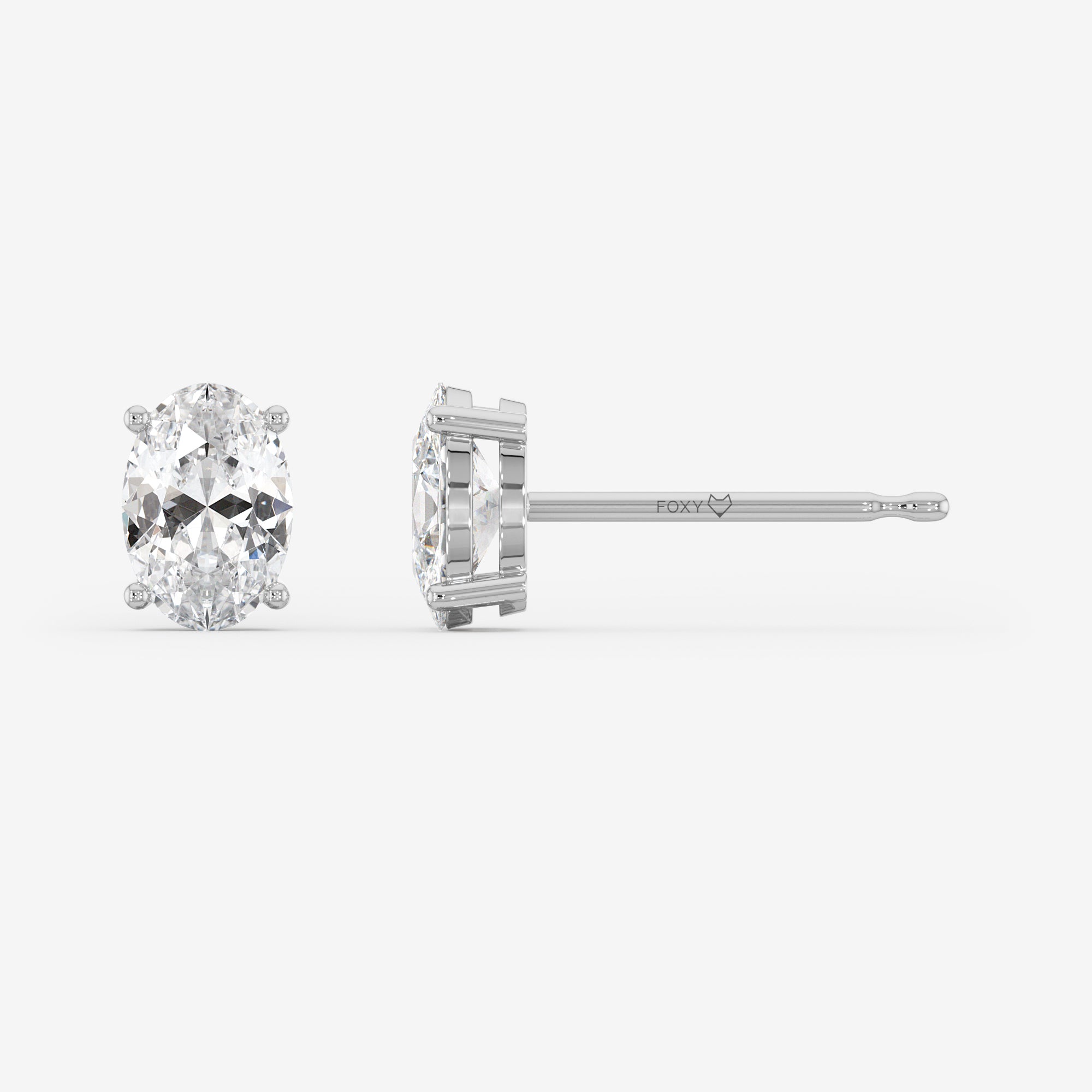
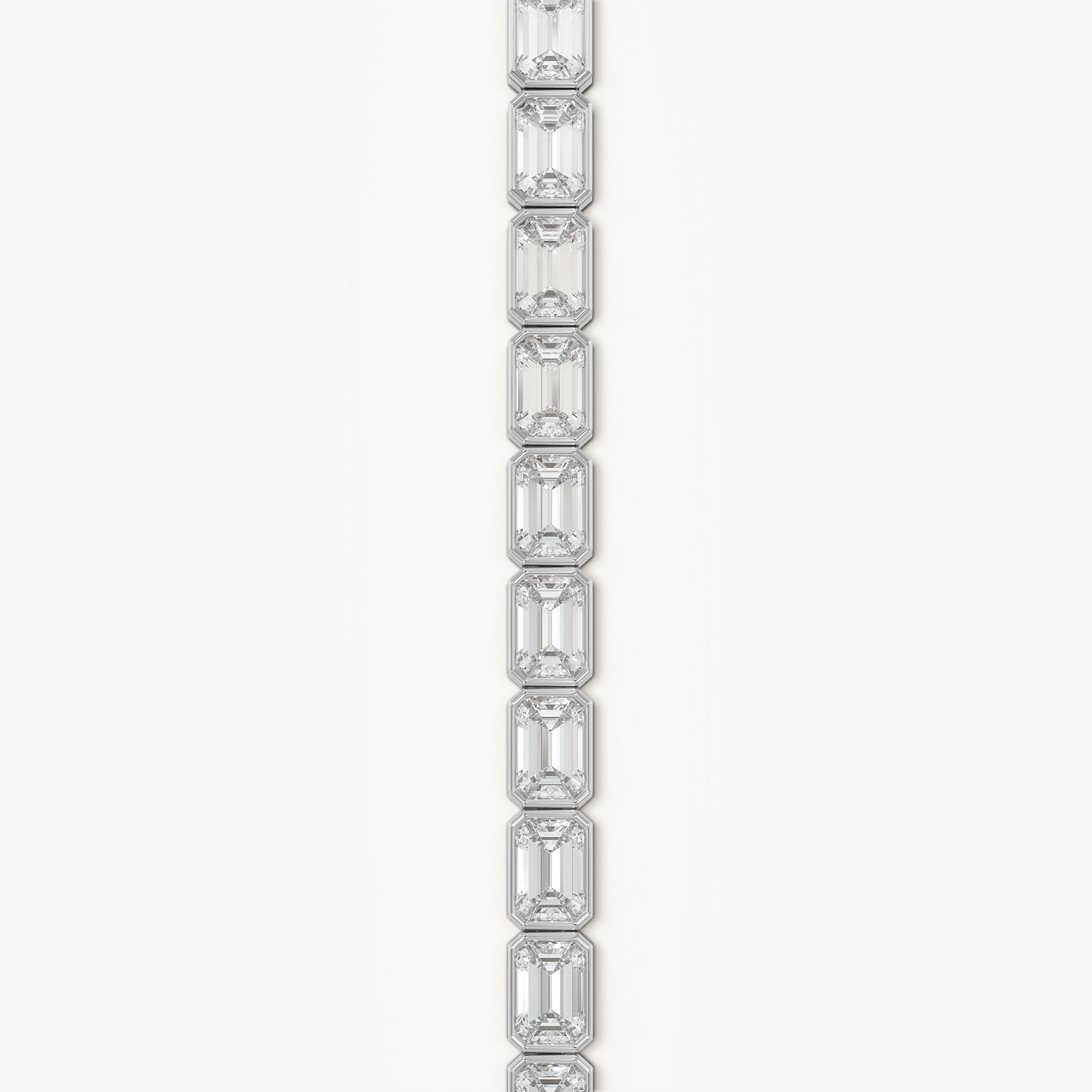
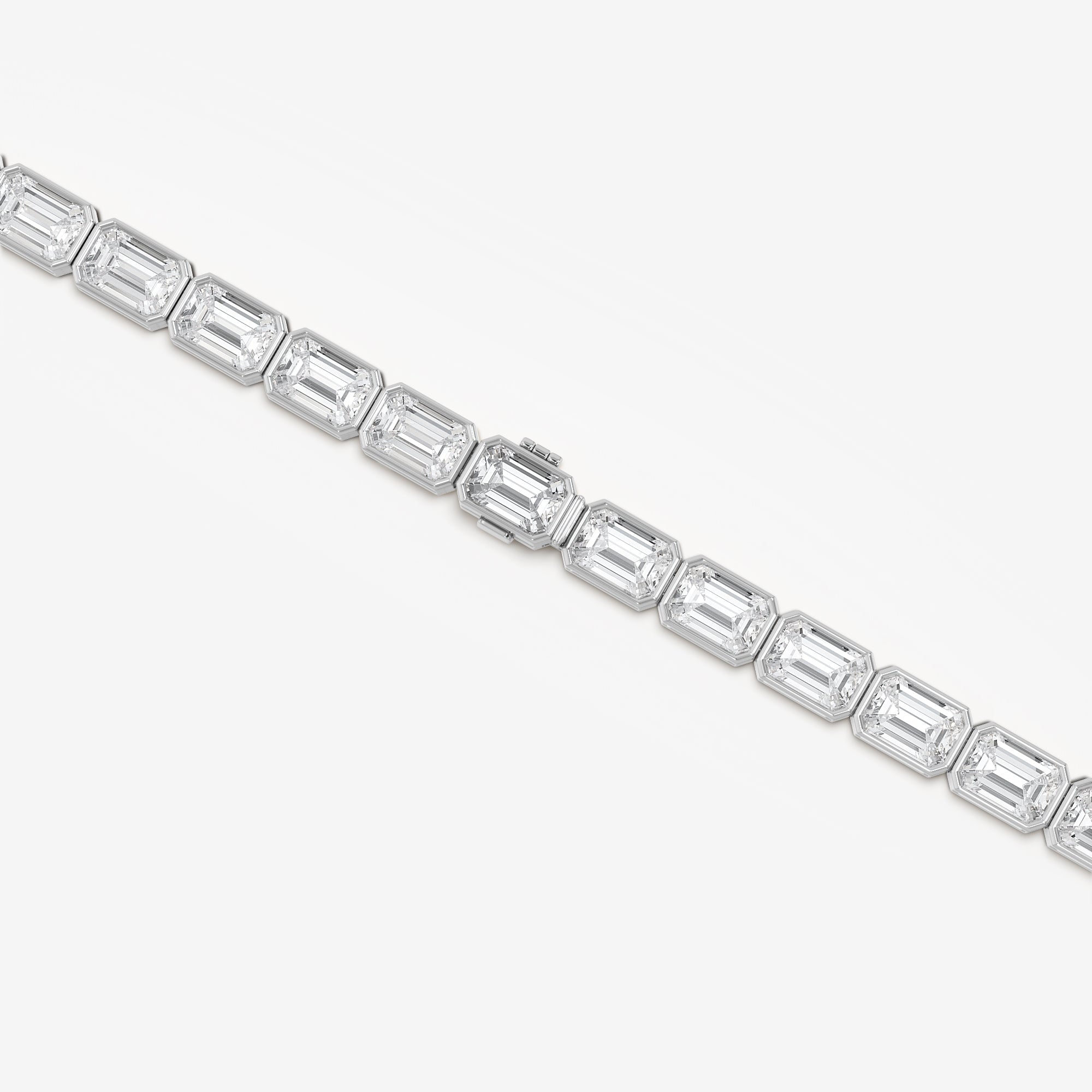
Shape refers to the external outline of the stone — round, oval, pear, cushion, and others.
Two diamonds may have the same shape but different cut grades.
The stone with the higher cut quality will appear noticeably brighter, more lively, and more visually refined.
Cut at Foxy Diamond
In our practice, we pay particular attention to cut, because it:
defines the visual character of the stone
enhances color and expressiveness
strengthens light return
creates a sense of depth and life within the diamond
We treat cut not simply as a technical characteristic,
but as the core of the visual effect that makes a piece of jewelry truly expressive and memorable.
Read more
Why Lab-Grown Diamonds Are a Rational Choice In nature, saturated fancy colours are a statistical rarity and a geological lottery. In the laboratory segment, that rarity is no longer accidental. Wh...

Diamond Color — What It Means and How It Is Graded Color is one of the key parameters that influence a diamond’s beauty and value. It is important to understand thatthe grading system for “white” d...