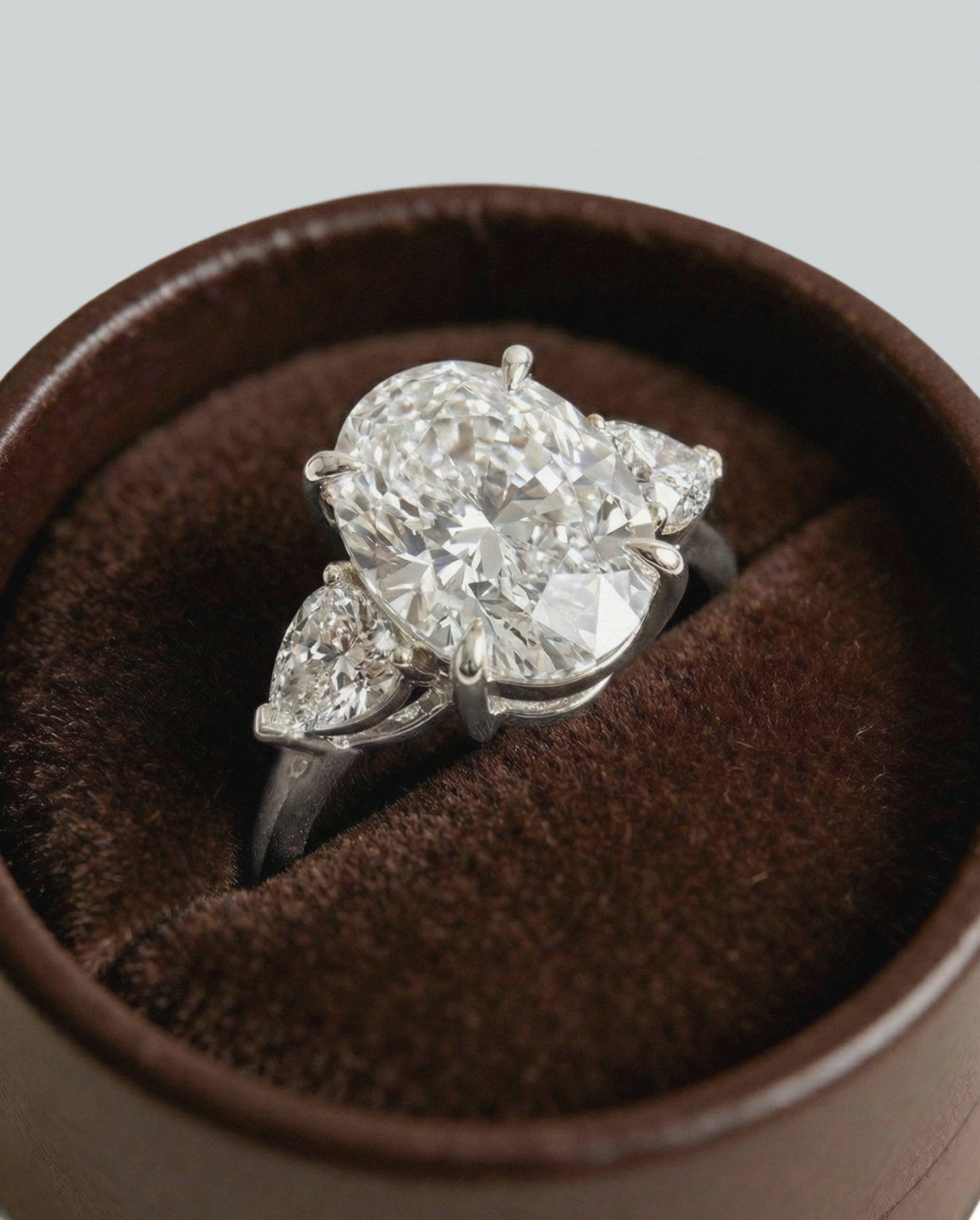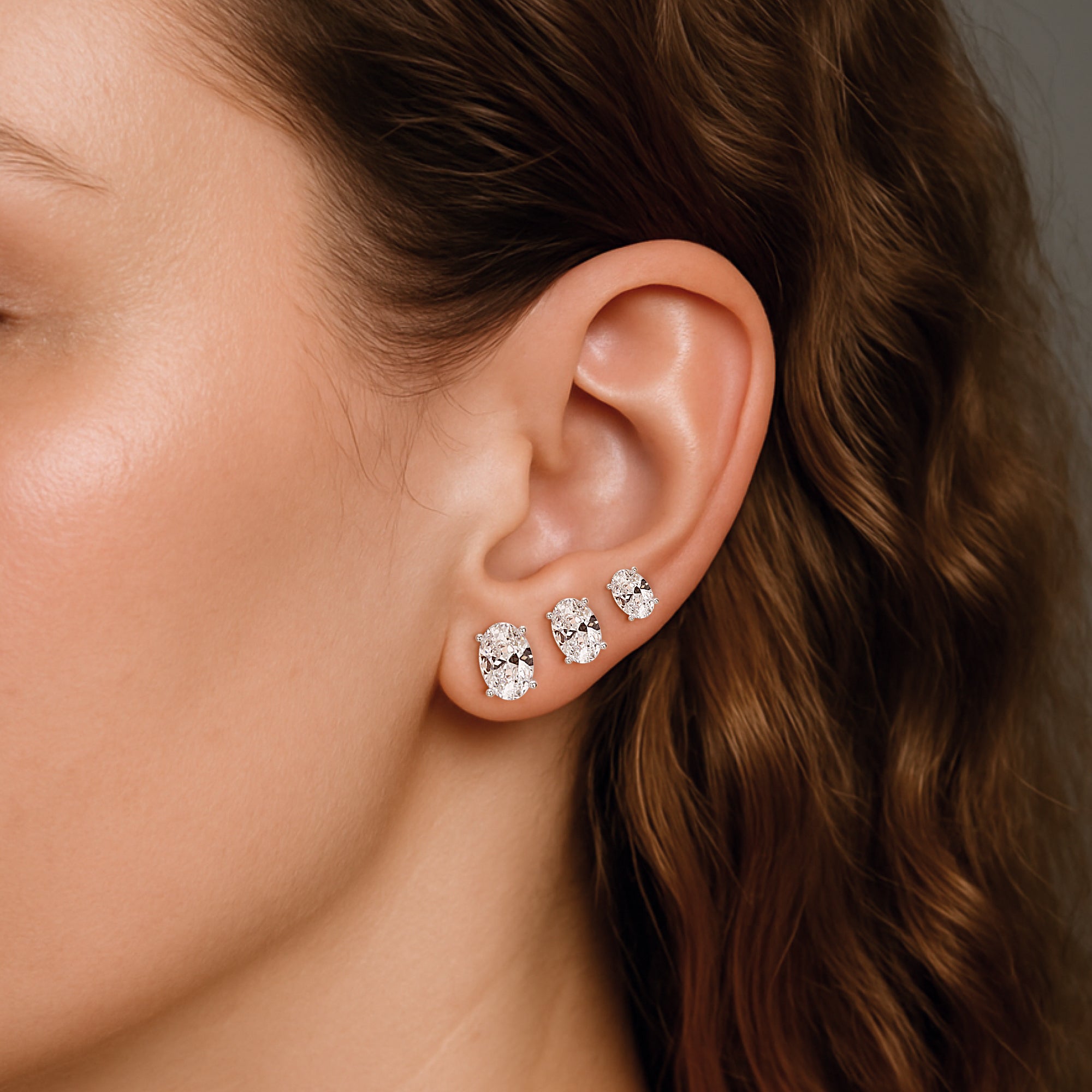
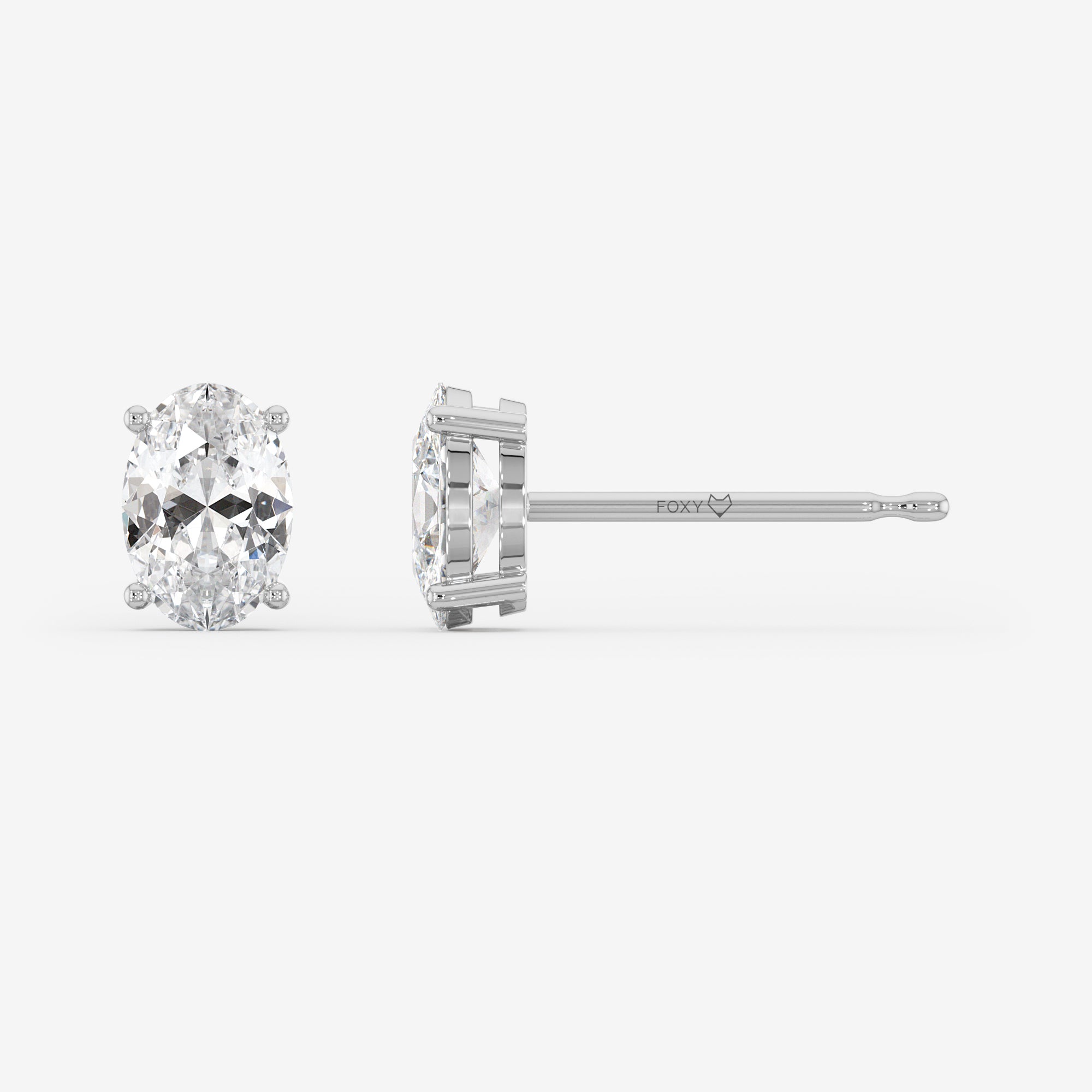


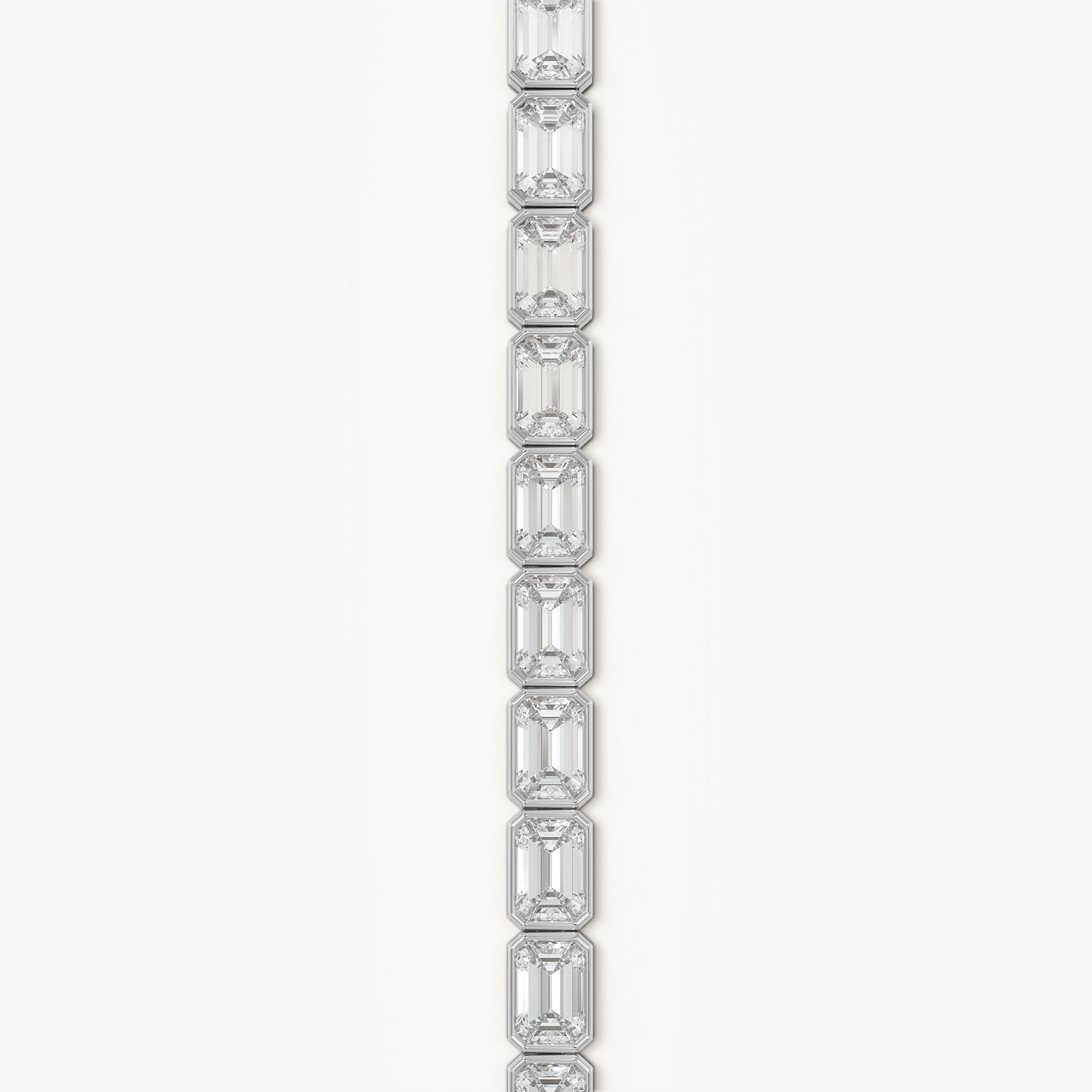
What Is a Lab-Grown Diamond?
What Is a Lab-Grown Diamond?
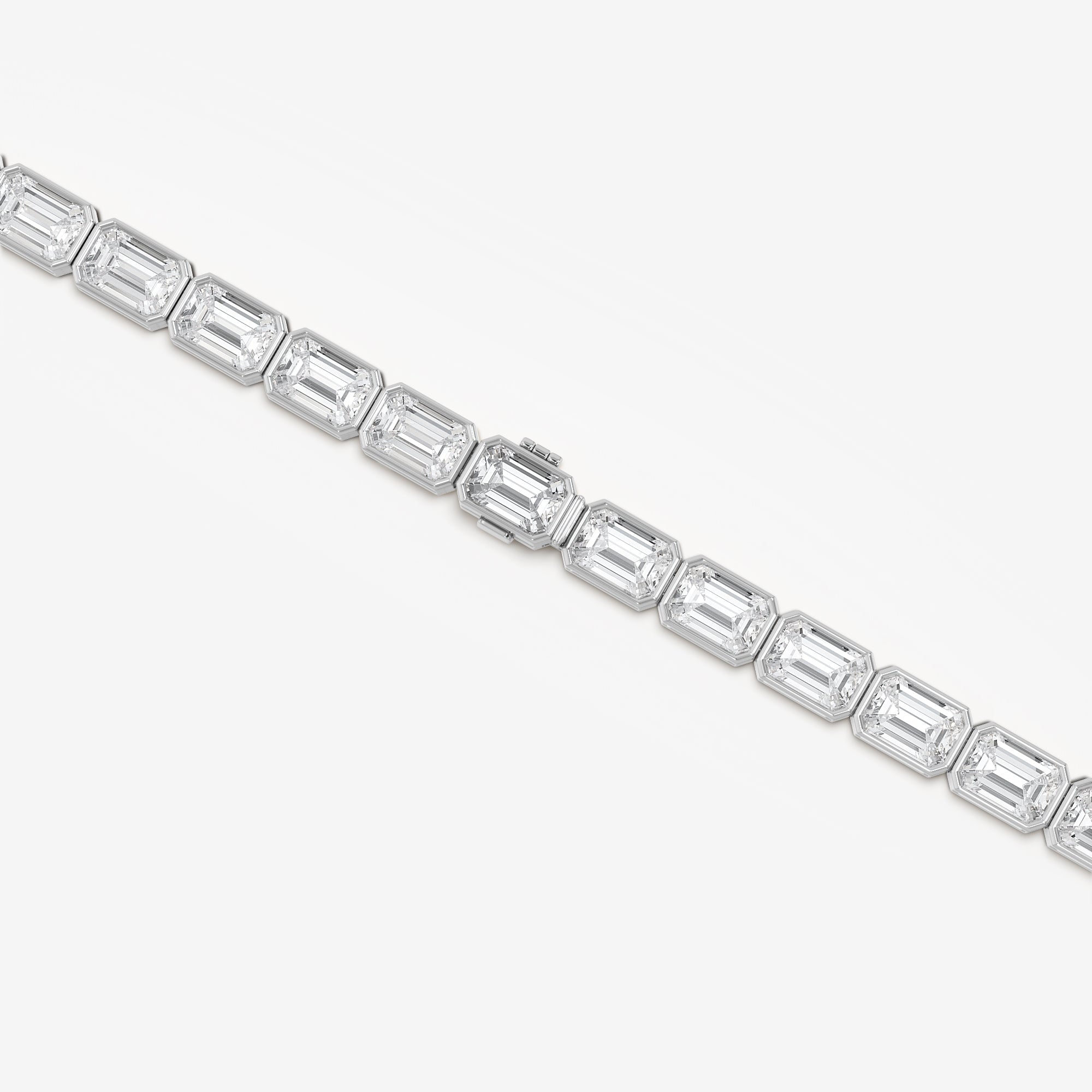
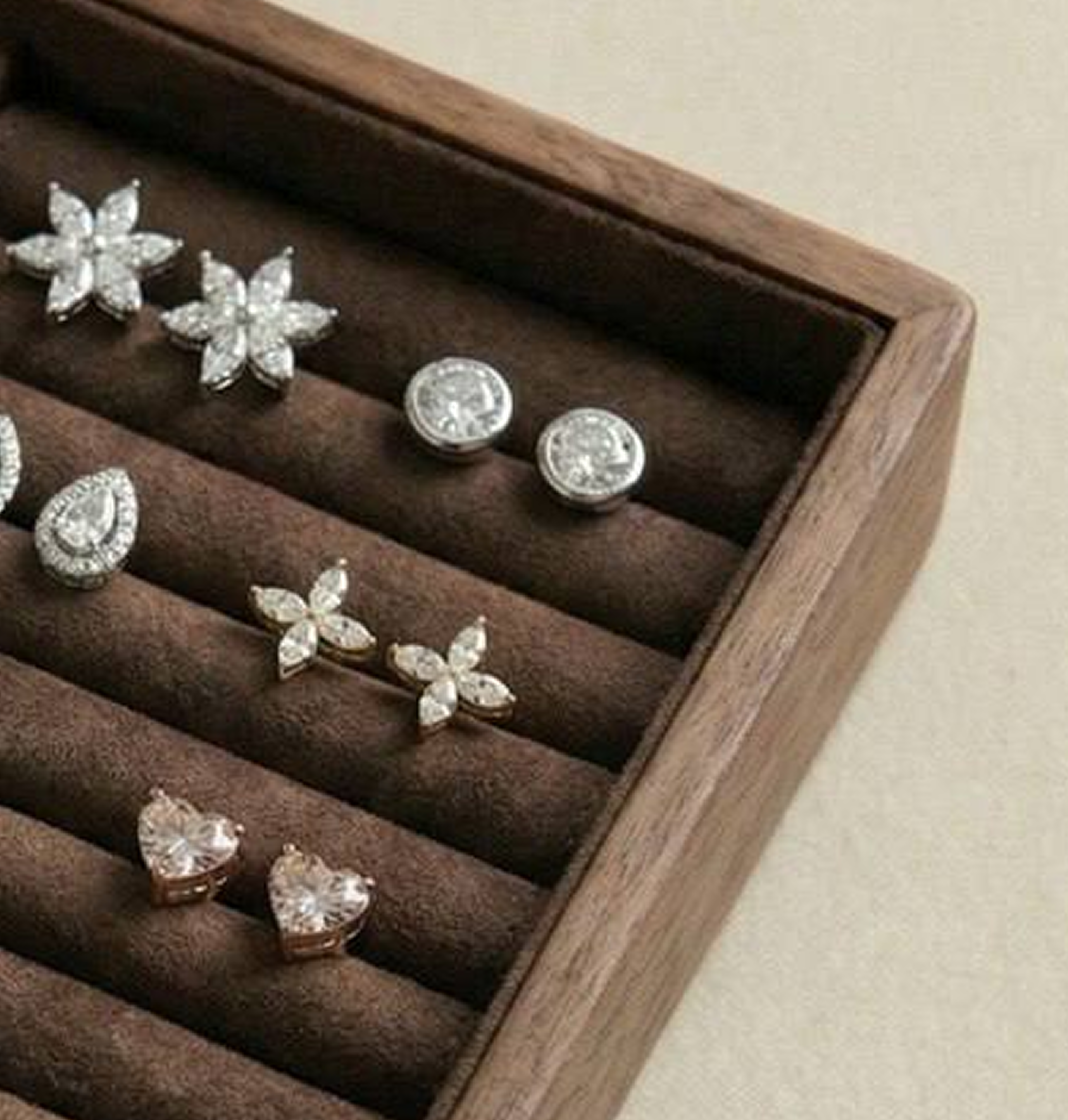
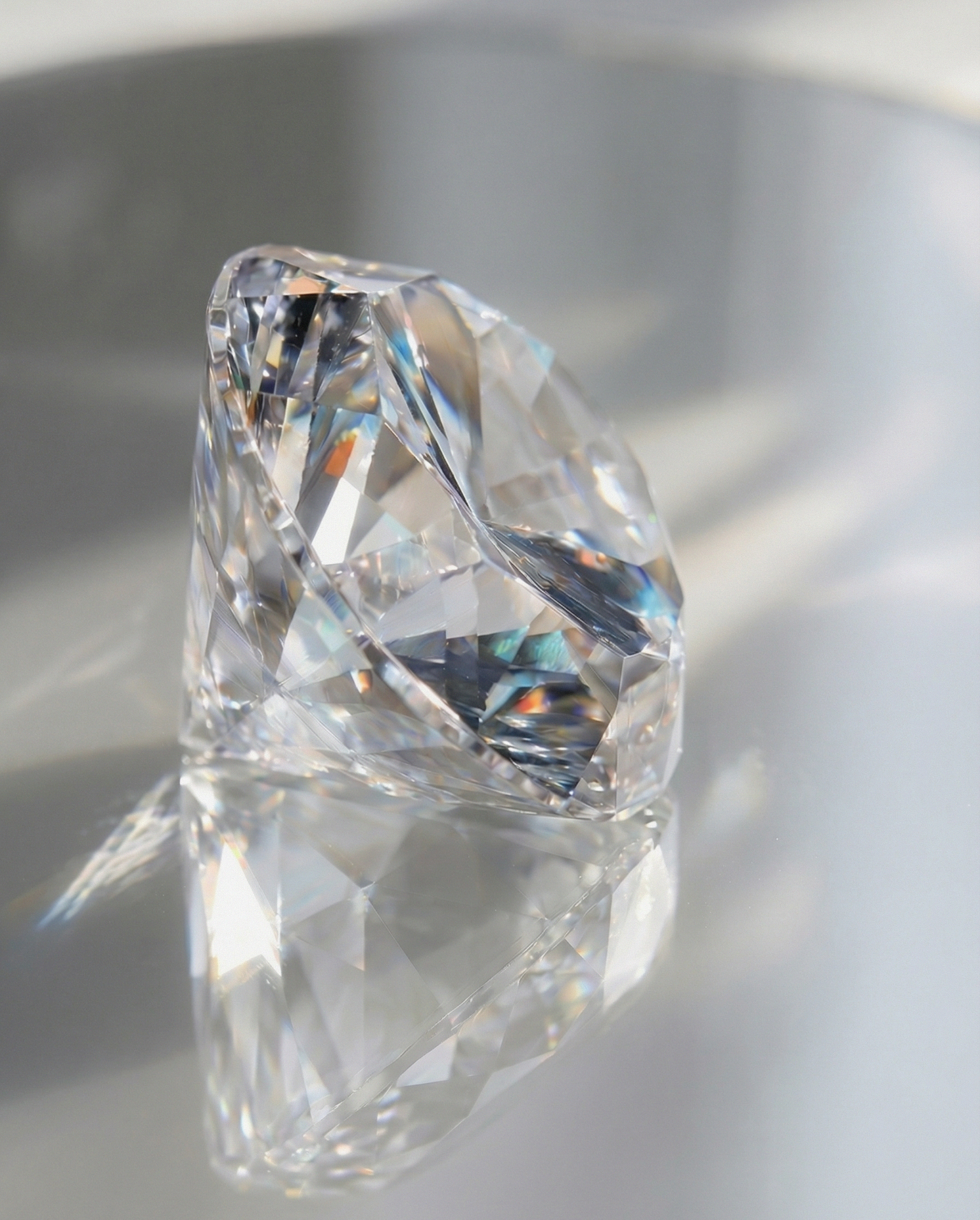
A lab-grown diamond is a diamond in the full physical sense of the word. It is the same crystal of carbon with an sp³ lattice, with the same optical, physical, and chemical properties as a natural diamond.
The only difference is origin. Instead of forming in a geological environment over millions of years, the crystal growth is controlled by technology — in a matter of weeks or months.
This is always reflected in an independent laboratory report: lab-grown diamonds are certified and disclosed as transparently as natural diamonds.
Is It the Same as a Natural Diamond?
Chemically, physically, and optically — yes. It is the same diamond.
A lab-grown diamond consists of the same crystalline carbon (sp³ lattice), has the same hardness (10 on the Mohs scale), the same refractive index, the same dispersion, and the same optical behaviour as a natural stone. Under a microscope and in a piece of jewellery, it looks and behaves exactly the same.
A natural diamond forms in the Earth's mantle under extreme pressure and temperature over geological timescales. A lab-grown diamond is grown in a laboratory using technologies that reproduce the same physical conditions of crystal growth — HPHT or CVD. In both cases, the result is identical: a diamond crystal built atom by atom according to the same laws of physics.
Why Are They Distinguished in Certificates?
Because origin is legally and ethically significant information.
Independent gemological laboratories — IGI, HRD, and others — always state in the report:
-
Whether the diamond is natural or laboratory-grown
-
The growth method (HPHT or CVD)
-
Any post-growth treatments applied
-
The full characteristics: colour, clarity, cut, and carat weight
This is not about quality being better or worse. It is about transparency and correct classification.
A lab-grown diamond is not an imitation, not a synthetic substitute, and not a fake. It is a real diamond that differs from a natural one only by the way it came into existence. In terms of jewellery properties, durability, brilliance, and longevity — there is no difference.
How Is the Diamond Structure Preserved During Laboratory Growth?
Two main industrial methods are used:
HPHT — High Pressure, High Temperature
This method simulates the conditions of the Earth's mantle. Carbon is placed under extreme pressure and temperature, causing it to crystallise into the same diamond lattice that forms in nature. The physics of growth is identical to the geological process — only the environment changes.
CVD — Chemical Vapour Deposition
Carbon-rich gas is introduced into a controlled chamber, where carbon atoms gradually deposit onto a seed crystal and build up layer by layer. The crystal lattice forms according to the same structural rules as in nature.
In both cases, colour is determined by the same types of structural features as in natural stones — trace elements, lattice defects, and vacancies.
How Is Colour Created in Lab-Grown Diamonds?
The mechanisms of colour formation are the same as in natural diamonds:
-
Boron produces blue tones
-
Nitrogen creates yellow hues
-
Lattice defects and vacancies can produce green, pink, red, and brown colours
Colour can be:
As-grown — formed naturally during crystal growth, as part of the stone's original structure
Post-growth — created by controlled treatment after growth (irradiation, annealing, or HPHT processing)
Any post-growth treatment is always disclosed in the laboratory certificate. This is a standard part of every IGI or HRD report for coloured lab-grown diamonds.